November 8, 2026
How to Compare Brand Photography Proposals Beyond the Price
Compare photography quotes with a practical checklist for scope, preparation, image selection, delivery, and the ways you plan to use the work.
Compare brand photography proposals by putting the scope beside the price: what will be photographed, how the shoot will work, which finished images you will receive, and how you can use them. Two quotes can describe very different jobs. Give each photographer the same starting brief, then ask them to explain the choices behind their recommendation.
You do not need to become a producer to make a useful comparison. You need to know what the photographs should help your business do. A library for a new website, a team portrait update, and a product launch each call for different preparation. Start there, before deciding whether a proposal feels expensive or affordable.
Give everyone the same starting point
Write down the people, products, or spaces you need photographed and the places the images will appear. Include the date or deadline, location, and person who can approve the work. Share a few visual references and explain what you like about them: the natural expressions, the lighting, the room around the subject, or the attention to product detail.
Mark the essentials separately from the ideas you would enjoy if time allows. If one photographer is quoting a single location and another is planning a sequence of locations, the totals are not yet comparable. Ask what each plan protects and what it leaves out. A clear difference in scope is more useful than a vague promise to capture everything.
Compare the useful range, not only the image count
Ask what variety the finished selection is meant to provide. You might need a close portrait, a wider environmental image, a team interaction, and detail photographs. A large set of nearly identical compositions may give your designer fewer options than a smaller selection built around distinct uses.
Repeak’s published David Bianchi portrait project combines outdoor locations, natural light, and different wardrobe looks. The gallery includes closer portraits and wider environmental photographs for personal branding, press, and social use. It offers a visual reference for discussing range within one subject, without assuming every portrait brief needs the same approach.
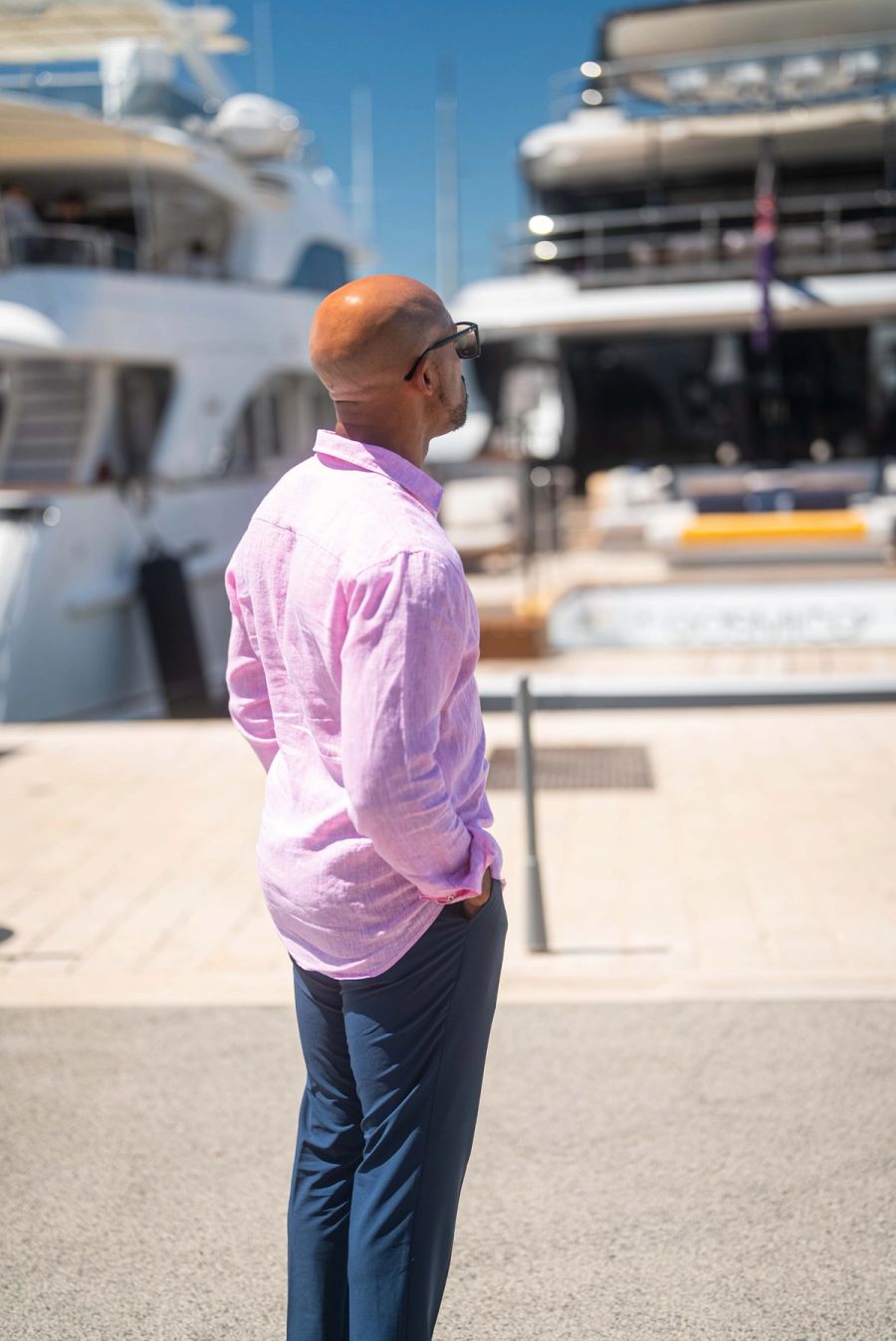
Explore the David Bianchi portrait gallery →
For your own brief, tell the photographer where a wider composition would help and where you need a closer view. Ask whether the proposed selection covers those jobs. Let them recommend how to create that variety instead of requiring a new setup for every item on your wish list.
Find out what preparation is included
A proposal should make it possible to understand who handles the planning. Ask about the shot list, schedule, location arrangements, wardrobe guidance, and any styling or supporting crew being proposed. If you will prepare the space yourself, find out what needs to be ready when the photographer arrives.
These choices affect both the work and your own time. A lower quote may leave more preparation with your team; that can be a sensible fit when you have the capacity. A more involved plan may be useful when the shoot depends on several people or a carefully arranged setting. Compare the responsibilities, then decide which arrangement you can support.
Clarify delivery and usage before choosing
Ask how the final images will be selected and what finishing is included. Basic editing and detailed retouching can mean different things to different people. Describe any specific needs, such as removing a temporary background distraction, and ask whether they fit the proposed scope. Confirm the delivery date, file formats, and process for raising corrections.
Also explain your intended uses and ask the photographer to spell out what the proposal permits. Your website, social channels, print materials, paid campaigns, and sharing with partners are useful topics for that discussion. Do not assume every proposal covers the same uses. Have the agreed terms reflected in the written scope so you can compare them directly.
Use this comparison checklist
Create one column for each proposal and answer the same questions. Write “needs clarification” where information is missing. An unanswered question is a reason to ask for detail, rather than guess what the photographer intended.
- Purpose: does the plan address the audience and uses in our brief?
- Coverage: which subjects, locations, and essential compositions are included?
- Preparation: who handles the schedule, space, styling, participants, and approvals?
- Selection: how are images chosen, and what range will the finished collection provide?
- Finishing: which edits and retouching are included, and what would require additional work?
- Delivery: what files will arrive, when, and how will corrections be handled?
- Usage: do the written terms cover the ways we intend to use and share the photographs?
- Costs and changes: which expenses are included, and what happens if the scope, date, or location changes?
Choose the tradeoff you can explain
Once the gaps are clear, ask each photographer how they would adjust the plan to your priorities. If the budget is tight, you might reduce locations, simplify styling, or focus the selection on your first few placements. Discuss what those choices change before accepting a smaller total. Protect the images you have a real plan to use.
Today’s action: list your three most important image uses, then check whether each proposal explains how it will serve them. Send one consolidated set of clarification questions. If you want help shaping a useful collection, explore Repeak’s photography service and bring that short list to the conversation.