November 11, 2026
How to Plan Ad Creative Variations Before Your Next Shoot
Turn campaign questions into purposeful ad concepts, shot lists, and delivery requirements with a practical creative planning example.
Plan ad creative variations around a question you want to answer. Choose a few genuinely different reasons someone might care about your offer, then decide what footage, photographs, and copy each reason needs. Agree on the first comparison with whoever manages the campaign before production. That gives every version a purpose and keeps the shoot from becoming an open-ended request for “more options.”
A different crop is useful for delivery. A different opening can change how you introduce the idea. A different customer problem can change the whole message. All three can belong in a campaign, but they require different planning. Start by naming what you want to learn, then build the creative scope around it.
Write the campaign question in plain language
Begin with one offer, one intended audience, and one next action. Then write the uncertainty you want the creative to help resolve. For example: do prospective customers need to see how the product works, or do they need a clearer picture of when they would use it? That is a more useful starting point than choosing three background colors.
Keep the question connected to a business decision. You might be deciding which explanation deserves a longer video, what product detail needs better photography, or which customer concern to address on the destination page. Creative can help you explore those questions, provided the campaign has a sensible measurement plan.
Separate a new concept from a new version
A concept is the main reason to pay attention. For a hypothetical pickleball brand, one concept might introduce a social afternoon on the court. Another might demonstrate what comes in an equipment set. Those ideas need different scenes and may speak to different concerns. They should be written as separate concepts in the brief.
A version changes the execution within an idea. You could introduce the same equipment demonstration with a question, a close-up, or a presenter speaking to camera. A delivery adaptation takes an approved piece and makes it suitable for an agreed placement. Label these separately so the proposal makes clear how much original thinking, filming, editing, and formatting is included.
Choose the first comparison with your campaign manager. If you change the message, audience, destination, and offer together, it becomes harder to explain which change mattered. Sometimes a broad exploration is useful; sometimes you need a narrower comparison. Be clear about which job this round is doing.
Build a shot list around each reason to care
For each concept, write the opening image, the explanation, the supporting detail, and the next step. Then identify the material you already have. A useful product photograph might support several concepts, while a demonstration may require a specific action to be filmed clearly. Capture the essential evidence before collecting decorative shots.
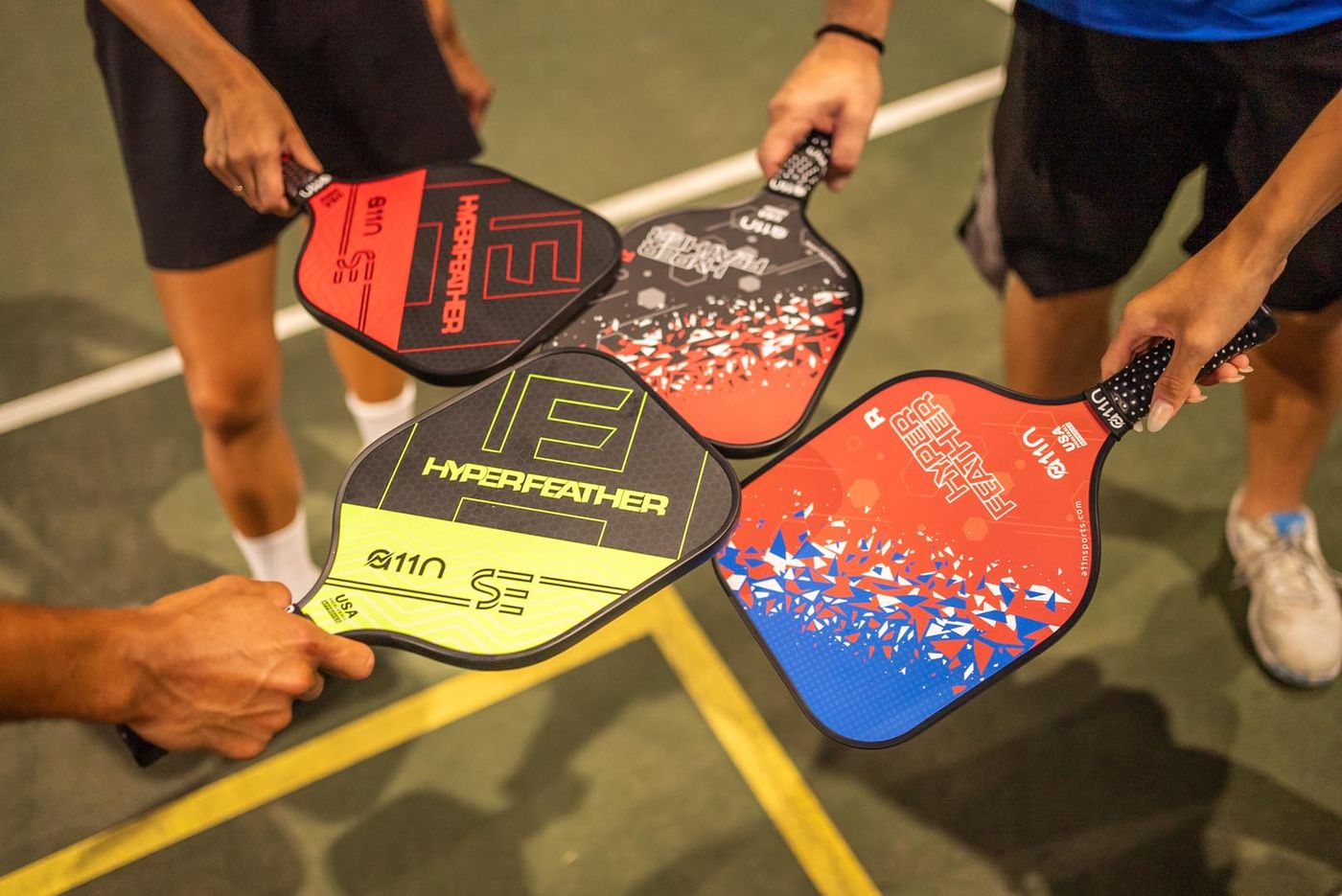
Repeak’s A11N Pickleball project combines court-side action, closer product imagery, e-commerce photographs, a widescreen video, and short vertical videos. The published collection shows how product details and the experience of playing can both be part of a connected asset library.
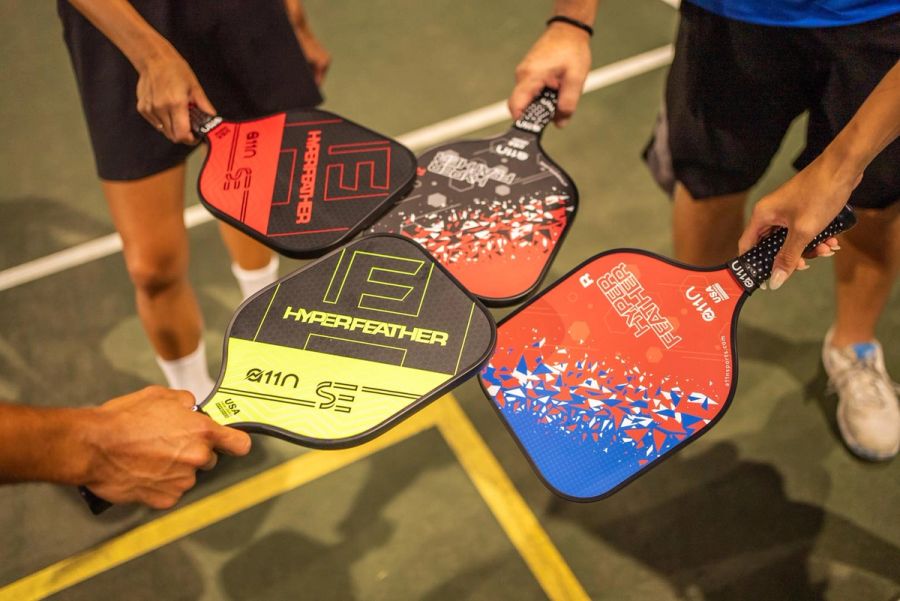
Explore the A11N Pickleball photography and video →
For your own campaign, a library like this could support a product-focused explanation and a separate story about playing with friends. Those are planning possibilities, not claims about ad tests or results from the A11N project. The practical lesson is to connect the footage you request to the message you intend to make.
Use this small creative planning example
Here is a hypothetical first round for a brand introducing a pickleball set. It is a planning example, not a recommended campaign size or a promise about performance. Confirm the product facts before writing the final scripts.
- Shared foundation: one approved product, one destination page, one audience description, and one agreed action for the viewer.
- Concept A — understand the set: open on the equipment, show the actual included items, and direct viewers to the product details.
- Concept B — picture the occasion: open on friends arriving at a court, show the equipment in use, and direct viewers to the same product page.
- Shared capture: clear product views, accurate packaging details, clean background options, and footage of the equipment being used.
- Scope to confirm: concept count, opening variations, still images, edit lengths, placement adaptations, revision rounds, and final file formats.
- Review owner: one person checks product accuracy and consolidates feedback before the campaign manager receives the approved assets.
Keep the plan realistic for your resources. If you can only produce one concept properly, make that concept clear and useful. An unfinished collection of options is difficult to learn from and creates more review work. You can plan the next round after seeing what the first one leaves unanswered.
Agree on what you will review after launch
Before production, ask the campaign manager what outcome will guide decisions and how they will check whether the destination and tracking work. A video view, an inquiry, and a completed purchase answer different questions. Agree on which matters for this campaign and what supporting observations will help explain it.
Also agree on who reviews the results and when there will be enough information for a useful discussion. Avoid promising a universal testing window or declaring a winner from a handful of reactions. Ask what remains uncertain and what the next creative round could clarify.
Bring a focused brief to the production conversation
Write your offer, audience, first campaign question, existing assets, and proposed concepts on one page. Ask the production and campaign teams to turn that into an agreed capture and delivery list. When those decisions happen together, the resulting assets have a clearer job from the start.
If you want help connecting original creative with campaign planning, bring that one-page outline to Repeak. We can discuss which ideas need new production and how to shape a practical first round.