November 12, 2026
How to Prepare Your Team for a Filmed Interview
Help your team arrive ready for a useful on-camera conversation with clear topics, real examples, and a practical speaker preparation checklist.
Prepare your team for a filmed interview by explaining who the video is for, sharing a few clear topics, and helping each person remember real examples. Agree on practical details with the production team before shoot day. For a conversational interview, people need a useful direction and room to speak in their own words.
The preparation should make the conversation easier. If someone spends the whole week trying to memorize a page of polished copy, they may arrive more worried about remembering sentences than explaining something they know. Start with the person’s experience and the audience’s questions. Build the filming plan around those.
Give each speaker one clear job
Tell the speaker what the audience should understand after hearing from them. A founder might explain why the business exists. A team member might describe what happens during a first appointment. A customer might talk about their own experience, if they have agreed to participate. Avoid asking everyone to cover the entire company story.
Share where the video is intended to appear and whether shorter excerpts are part of the plan. Knowing the likely context helps people choose useful examples. It also gives them a chance to raise concerns about topics they cannot discuss before the camera is running.
Choose speakers for what they can explain, not simply their job title. Someone close to the daily work may have a clearer example than the person who usually presents the company. Ask who has the relevant knowledge and is willing to take part, then give that person enough preparation and support.
Send topics and prompts instead of a speech
Give the speaker a small set of questions in advance. Use prompts that invite a specific answer: “What usually happens first?” or “Can you describe a moment when that mattered?” Broad questions such as “Tell us everything about the company” leave the speaker to organize the whole story while being filmed.
Ask for a few notes rather than finished paragraphs. A useful note might contain a situation, an action, and a detail the audience can picture. Encourage people to use words they would say in an ordinary conversation. If an exact statement is required, identify it separately and agree with the production team on how to capture it accurately.
As a hypothetical example, a service business introducing its team could ask: What do first-time customers usually worry about? How do you help them prepare? What happens when they arrive? Those prompts offer a clearer route into the experience than a request to list company values.
Prepare real examples and check the details
Ask each person to think of one example that helps explain their point. They do not need a dramatic story. A small, concrete detail can make an answer useful: the question they hear most, the step people forget, or the reason a process is arranged a certain way.
Check names, dates, product descriptions, and any figures before filming. Identify information that should stay private and arrange permission for any customer stories or materials you intend to include. Do this while preparing the conversation, so the speaker knows what is appropriate to discuss.
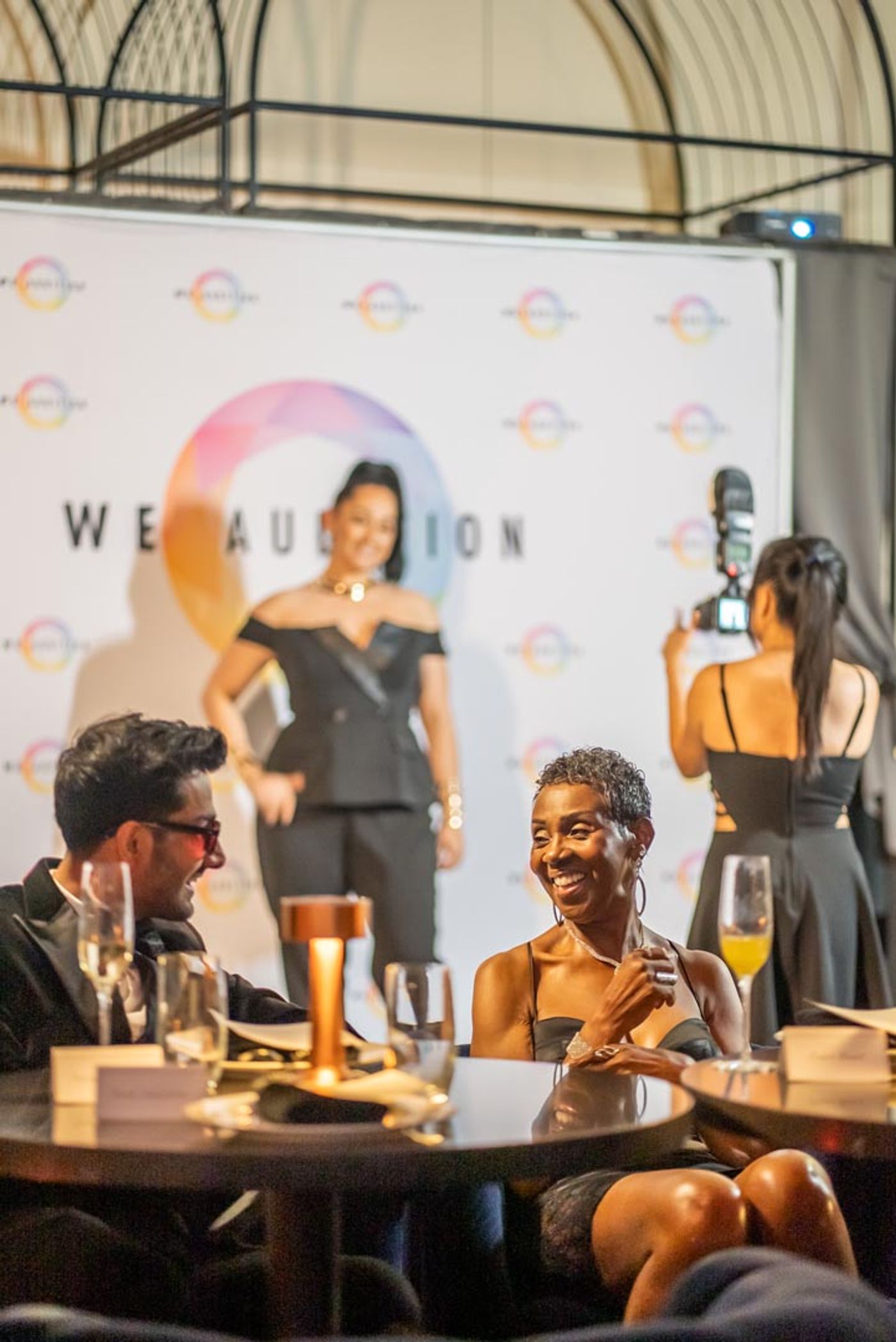
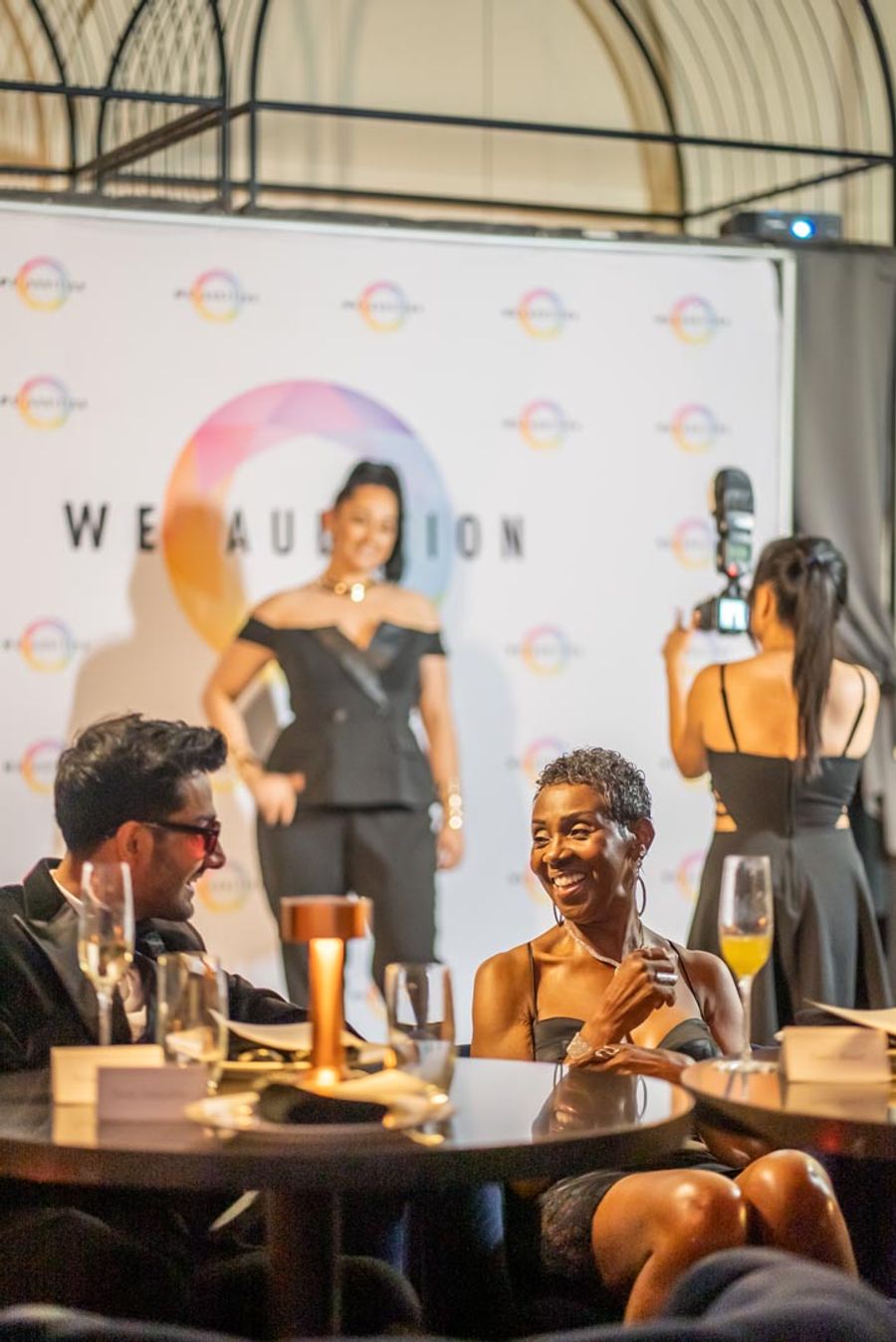
Repeak’s published WeAudition project includes multi-camera talent interviews for its “Ones to Watch” series, with shorter pieces created for social platforms. The wider collection also includes event photography and conversations with cofounder Richard Cambridge about acting careers and marketing. It offers examples of putting people and their knowledge at the center of content.
Explore the WeAudition interviews, video, and event photography →
The photograph shows the event setting within that collection. For your own interview, choose examples that the speaker knows directly, and let their personality come through without asking them to imitate someone else’s performance.
Make the practical plan easy to follow
Confirm the arrival time, filming window, location, and point of contact. Ask the production team what clothing will work with the setting and whether speakers should bring an alternative. Tell them about any demonstrations, objects, or supporting material that need to be ready.
Discuss the room as well as the speaker. Nearby conversations, music, deliveries, and equipment can interrupt a recording. Choose a space where the team can manage those interruptions, and tell colleagues when filming is scheduled. A useful location should support both the story and a workable conversation.
Ask the interviewer to explain where to look and how the conversation will run. Give people permission to pause, restart an answer, or ask for a question to be repeated. Confirm the review process in advance, including who checks factual accuracy and who consolidates notes.
Send this preparation note to your team
Adapt this checklist into a short message for each speaker. Fill in the details rather than forwarding a generic production document.
- Your role: explain one topic you know well, and the question it answers for our intended audience.
- Prepare: a few bullet points and one concrete example. Flag any wording or facts that need checking.
- Topics: include the agreed questions and any subjects we will leave out.
- Logistics: confirm arrival, location, filming window, contact person, clothing guidance, and anything to bring.
- Format: explain who will ask questions, where to look, and the intended uses of the footage.
- Review: name the person gathering feedback and explain what the speaker will be asked to check.
Before booking, bring your production partner the audience, the purpose, and the people you are considering. If you would like help turning those into a focused interview plan, Repeak can discuss the questions, setting, and supporting footage with you.