November 8, 2026
How to Plan Restaurant Social Content Without Disrupting Service
Build a restaurant content plan around useful guest questions, realistic shoot windows, and a practical brief your kitchen and floor team can support.
Plan restaurant social content around a short list of useful stories and a shoot window your kitchen and floor team can support. Confirm the dishes, people, space, and approvals before anyone arrives with a camera. Then give each scene a purpose in the posting plan. The aim is to create material you can use without asking a busy team to run a second service for the shoot.
You don’t need to photograph the whole menu every time. Start with what a potential guest might want to know: what to order, what the room feels like, or who is making the food. Choose a few questions you can answer well, then build the session around the ingredients and people already available.
Choose the stories before choosing the dishes
Make a small list of reasons to visit. A signature dish can explain the menu. A table scene can suggest an occasion. A short conversation with the chef can give a familiar ingredient a story. These are different ideas, even when they feature the same meal. Write one sentence beside each: “This post helps a guest understand…”
Share those ideas with the person who manages the kitchen and the person who manages the floor. Ask which dishes represent the restaurant accurately and which can be prepared within the proposed window. If a seasonal item may disappear before the post is scheduled, flag that now. Avoid building a library around something the team cannot confidently offer.
Ask the restaurant to help choose the window
A quiet dining room does not automatically mean a quiet kitchen. Preparation, deliveries, cleaning, and staff changes may all affect what is practical. Ask the team where a content session fits, what areas can be used, and who can make decisions on the day. Leave that choice with the people responsible for service.
Agree on a stopping point and a fallback plan. If service needs the space, which scenes can move and which should wait? Keep essential paths and working areas available. If the plan depends on one particular table or person, confirm their availability rather than assuming the shoot can simply take over when it arrives.
Build small scenes that can tell several stories
For each priority, consider a useful combination: a finished dish, a detail, and a human moment. You might photograph a plate, record a short explanation of one ingredient, and capture a server placing it on the table. Those are examples to adapt, not a promise that every session includes the same deliverables.
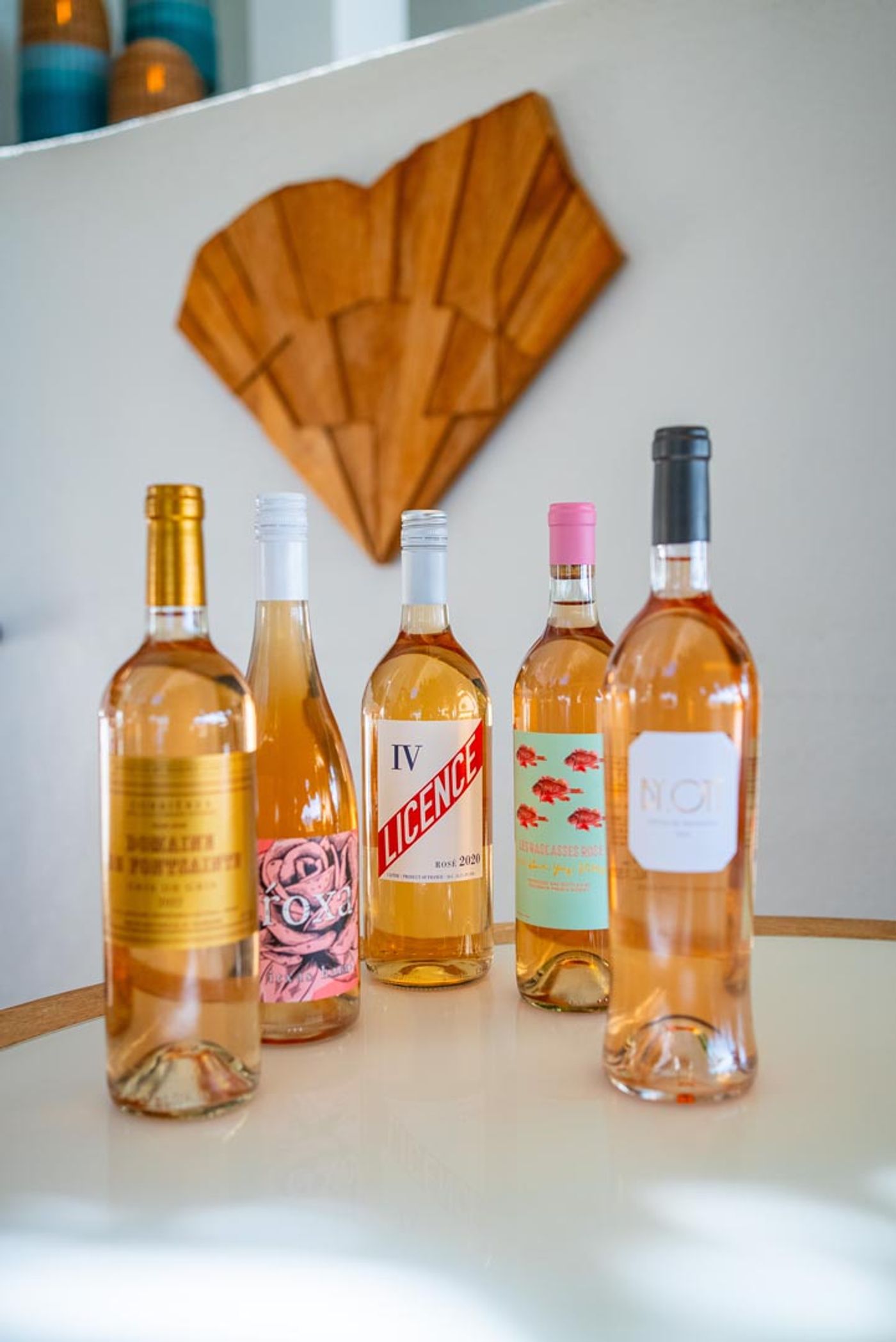
Repeak’s published Hau Tree social-content collection includes wine bottles, shared drinks, and plated desserts. Close-up details and table scenes offer different ways to introduce the restaurant’s food and drink experience. The collection is a visual reference for variety; the planning advice here does not describe the production schedule used on that project.
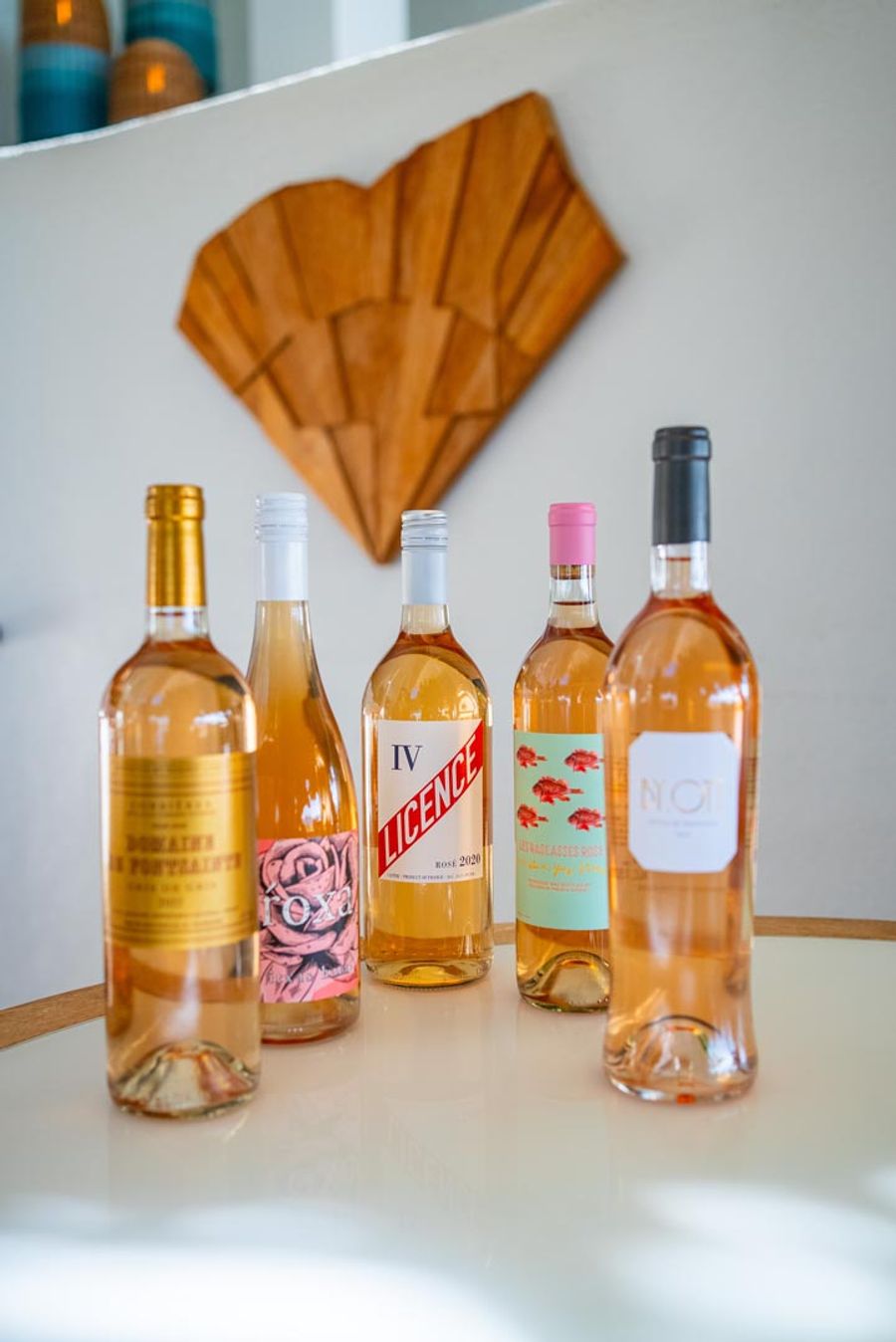
Explore the Hau Tree social-content photography →
When planning your own session, group scenes around the same setup so the team knows what is needed before resetting it. Discuss which dishes need attention as soon as they arrive and which details can be photographed separately. Let the kitchen advise on preparation and presentation instead of requesting everything at once.
Give people a clear, manageable role
Name one restaurant contact who can answer questions about the food, space, and priorities. Ask staff members whether they are comfortable appearing, and agree on what they will be doing. A brief demonstration or one clear answer can be easier to fit into the day than an open-ended request to “be in some content.”
If guests might appear, agree on the restaurant’s process for permission before filming. Frame scenes deliberately and avoid assuming that everyone in the room wants to be part of a public post. You can show atmosphere through table details, staff participation, or a planned scene with people who have agreed to take part.
Copy this restaurant content brief
Use one shared page and ask the restaurant contact to review it before the session. Treat unanswered questions as planning work to resolve, not surprises to leave for the camera team.
- Purpose: the guest questions we want to answer and the next action each post should support.
- Priorities: the dishes, drinks, details, or people that matter most, with optional ideas listed separately.
- Timing: the agreed shoot window, stopping point, and person who can pause or change the plan.
- Space: the tables or areas available, where equipment can go, and what must remain clear.
- Preparation: who arranges dishes, confirms availability, and checks that presentation matches what guests receive.
- People: who has agreed to appear, what they will do, and how guest appearances will be handled.
- Delivery: the agreed photographs, clips, captions, formats, and dates, with any extra work scoped separately.
- Approval: who checks names, descriptions, availability, and final posts before they are scheduled.
Connect the shoot to the publishing routine
Before the session, decide who will turn the material into posts. After delivery, select a manageable sequence and check the details against the current menu. A photograph can remain useful while its accompanying offer or description changes. Make someone responsible for that check instead of treating an approved image as approval of every future caption.
Leave room for simpler updates between planned sessions. A phone photograph of a detail, a staff answer, or a timely note can give the team something useful to share without repeating the whole production. Observe which posts prompt relevant questions or conversations, and use those questions to shape the next brief. Treat that feedback as direction, not proof that one format guarantees bookings.
Today’s action: choose three guest questions and ask your kitchen and floor contacts when a short content session could realistically fit. If you want help connecting production with a consistent publishing routine, explore Repeak’s social media management service.