November 17, 2026
What Should Happen After Someone Inquires Through Your Ad?
Build a clear handoff from ad inquiry to next step with a checklist for ownership, response, qualification, testing, and campaign feedback.
After someone inquires through an ad, the request should reach a named owner, receive a useful response, and move toward a clear next step. Record what happened so your campaign team can distinguish an inquiry from a suitable opportunity or a booked job. Agree on this handoff before launch, then test it from the customer’s side.
An advertising report can show requests arriving while the business still struggles to handle them. A message might land in an inbox nobody checks, lose the context of the offer, or sit between two people who each expect the other to reply. Fixing that path is part of making a campaign workable.
Match the response to the promise in the ad
Read the ad and destination page together. What does a person expect when they submit their details: an appointment request, a quote conversation, a callback, or more information? The first response should recognize that request and explain what happens next. Avoid treating every inquiry as if the person asked to buy immediately.
Make sure the person replying can see the relevant offer and the information already submitted. Asking the customer to start over can make the handoff confusing. Gather the details your team needs for the next step, while keeping the initial request practical for the customer to complete.
For a hypothetical home-service campaign, someone might be requesting a conversation about a specific job. A useful response would confirm the type of work, ask for missing information needed to assess it, and explain how scheduling or quoting will proceed. It should not imply that availability or a final price has already been confirmed.
Give every inquiry an owner and a backup
Choose who is responsible for checking each inquiry channel and who covers absences. Agree on a response window the business can actually support, including what happens outside working hours. If an acknowledgement is automated, make clear that the request has been received and describe the next step accurately.
Define the handoff between the campaign manager and the person handling customers. Who investigates a missing notification? Who answers a question about the offer? Who updates the record after a conversation? One person can hold several roles in a small business, but the tasks still need owners.
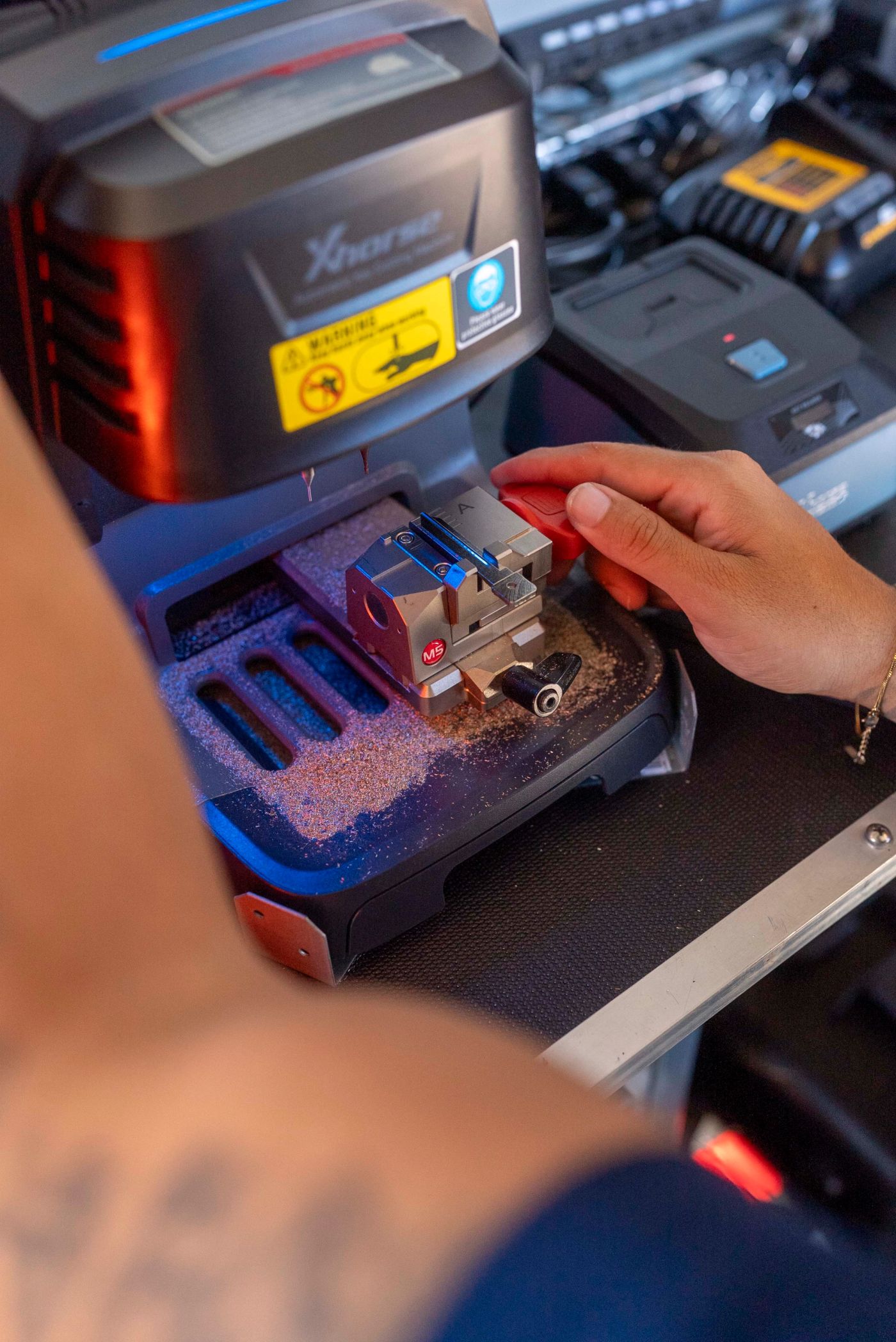
The work being promoted should also be clear. Repeak’s Double Quick Locksmith photography shows people, vehicles, equipment, and practical workplace moments. The published collection gives the business material for its website, social profiles, and marketing, helping make the service visible through real company imagery.
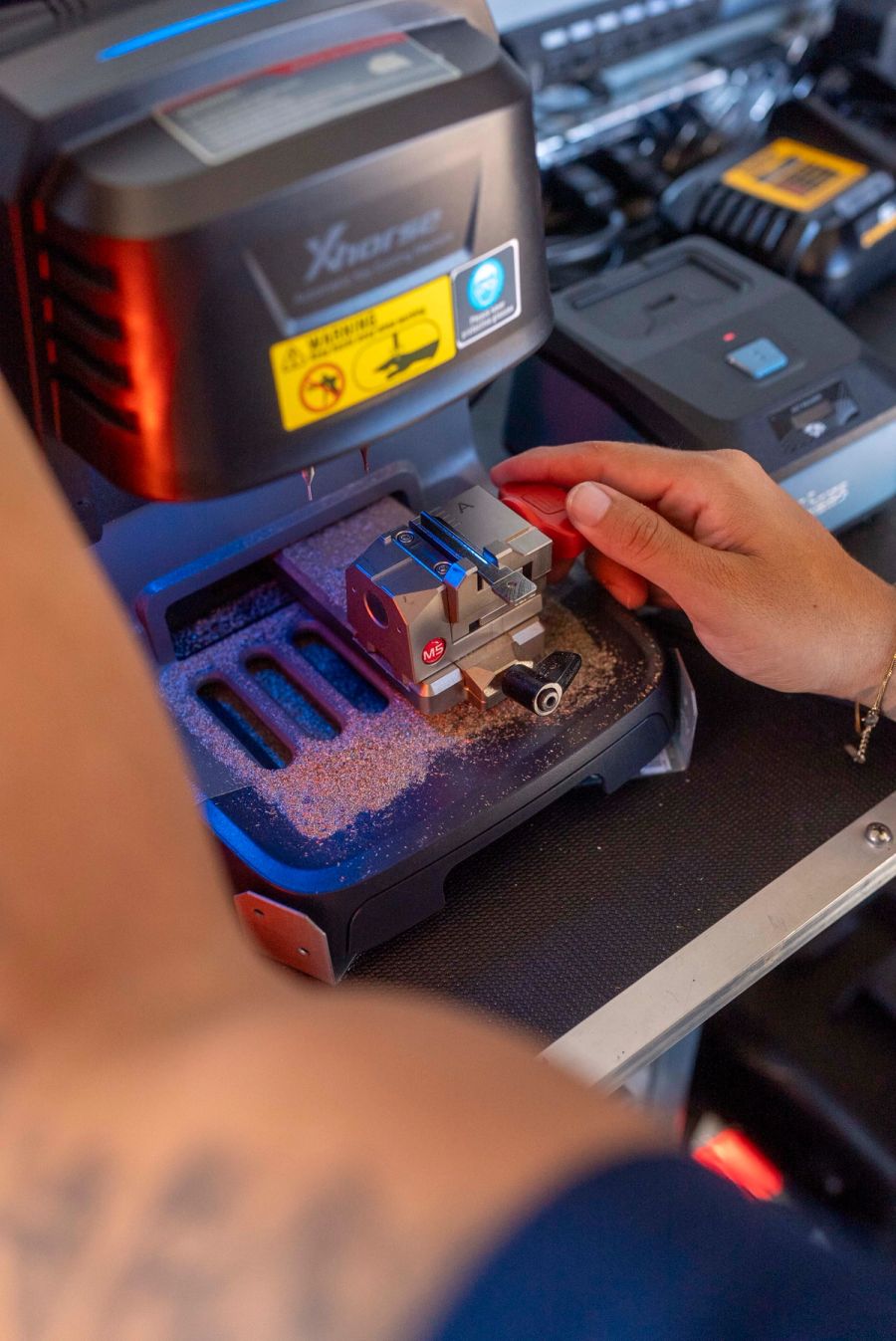
Explore the Double Quick Locksmith company and workplace photography →
For a business using service imagery in advertising, the response process should carry the same clarity into the conversation. This is a planning principle, not a claim about Double Quick’s advertising, inquiry process, or campaign results.
Agree on what counts as a suitable opportunity
Write a short definition with the people who do the work. A suitable inquiry might concern an offered service, come from a location you cover, and have enough information for a useful next conversation. Choose criteria that reflect the actual business instead of labeling every unanswered request a poor lead.
Keep the categories distinct. “New request,” “contacted,” “awaiting information,” “suitable opportunity,” and “booked” describe different stages. Add a simple reason when a request cannot move forward, such as a service you do not offer or no current availability. That context helps the campaign team understand what to change.
Record what you know without guessing. If someone has not replied, mark that status. If they choose another provider but do not explain why, do not automatically call it a pricing problem. A useful record preserves uncertainty as well as outcomes.
Test the whole path before increasing activity
Send a clearly labeled test inquiry through the actual customer route. Check the form or contact link, confirmation message, notification, assigned owner, and reply process. Use only the information needed for the test and tell the team it is a test so it does not become a real booking.
Try the route on a phone as well as your usual working setup. Confirm that the person replying can find the submitted information and the relevant offer. If inquiries arrive through several channels, test each agreed route rather than assuming one successful form submission proves them all.
Use this inquiry handoff checklist
Complete these lines with your campaign partner and customer-facing team before launch. Keep the answers somewhere the people handling requests can find them.
- Customer expectation: what the ad promises will happen after the inquiry.
- Owner and backup: who checks the channel, responds, and covers absences.
- Timing: the response window you can support and the message used outside that window.
- Context: the offer, submitted details, and information needed for the next conversation.
- Qualification: the practical criteria for a suitable opportunity and the statuses used to track it.
- Next step: who arranges the call, quote, appointment, or other agreed action.
- Feedback: who updates outcomes and shares recurring issues with the campaign manager.
Review the handoff alongside the campaign
Look at where inquiries stop moving. Repeated questions may suggest the ad needs a clearer explanation. Suitable requests that cannot be scheduled may point to a capacity issue. Missing replies may require a process fix before a creative change. Discuss those possibilities using the records you have, rather than assigning a cause from the request count alone.
If you would like help connecting campaign creative with a practical inquiry journey, bring Repeak your offer, destination page, and current response process. Those give us a concrete starting point for paid media planning.