November 18, 2026
When Is a Phone Video Enough, and When Should You Hire a Production Team?
Choose the right production approach with a practical checklist for your message, sound, coverage, editing, and the time your team can commit.
Use a phone when you can explain the idea clearly, capture understandable sound and pictures, and finish the video with the time and skills available. Bring in production help when the assignment needs coordination, specialist craft, dependable coverage, or an edit your team cannot realistically deliver. Choose the approach around the job the video must do.
A useful opinion does not need to wait for a large production. At the same time, owning a good camera does not solve a complicated shoot. The better question is whether your team can capture the necessary material and turn it into something your audience can use.
Start with what viewers need to understand
Write one sentence describing the point of the video. “Explain what to bring to a first appointment” is a manageable assignment. “Introduce our people, show the full experience, and launch a campaign across several formats” contains several jobs. Separate them before choosing equipment or requesting quotes.
Then list what the viewer needs to see and hear. If one person can answer the question in a quiet space, a simple setup may be enough. If the explanation depends on several locations, people, demonstrations, or moments that cannot be repeated, plan for those requirements explicitly.
The intended use matters too. A quick answer for an existing community and a main website introduction can call for different levels of preparation and finishing. Agree on the actual need instead of treating every video as a major brand film or every social post as disposable.
Try a small recording before buying more gear
For a straightforward spoken explanation, begin with a stable phone, a quiet location, and a position where the speaker is easy to see. Record a short test and listen to it. If you use an external microphone, check the recording rather than assuming it is connected correctly.
Prepare a few bullet points and answer one question. Watch the result at a normal viewing size. Can you understand the words? Is the important detail visible? Does the speaker reach the point without a long introduction? Fix the specific issue you notice, then try again.
This experiment gives you information. If the idea is useful but the room sounds poor, solve the sound problem. If the explanation is confusing, simplify the message. A larger camera will not organize the answer for you. Start with the obstacle you actually have.
Recognize when the story needs more coverage
Some subjects need a sequence rather than a single explanation. A process may need an overall view, close details, and a result. An event may need several moments covered while the organizer is busy running it. A product demonstration may need someone concentrating on the action while another person watches the recording.
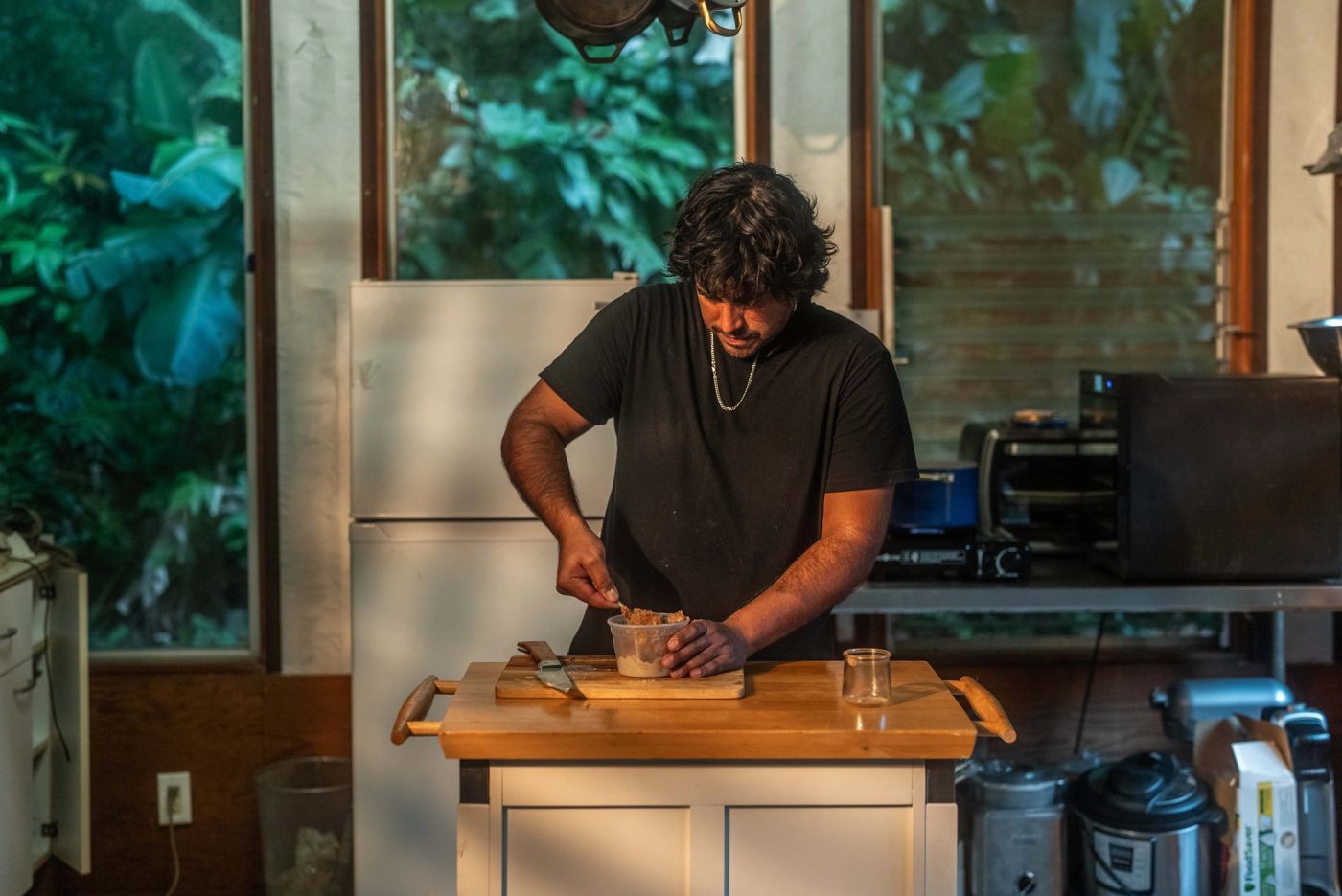
Repeak’s published Chef Yuda Abitbol project connects cinnamon foraging with a cooking episode in which he makes cinnamon rolls. The series gives the ingredient a story beyond the kitchen and follows it into food preparation. It illustrates a narrative that moves between activities and settings.
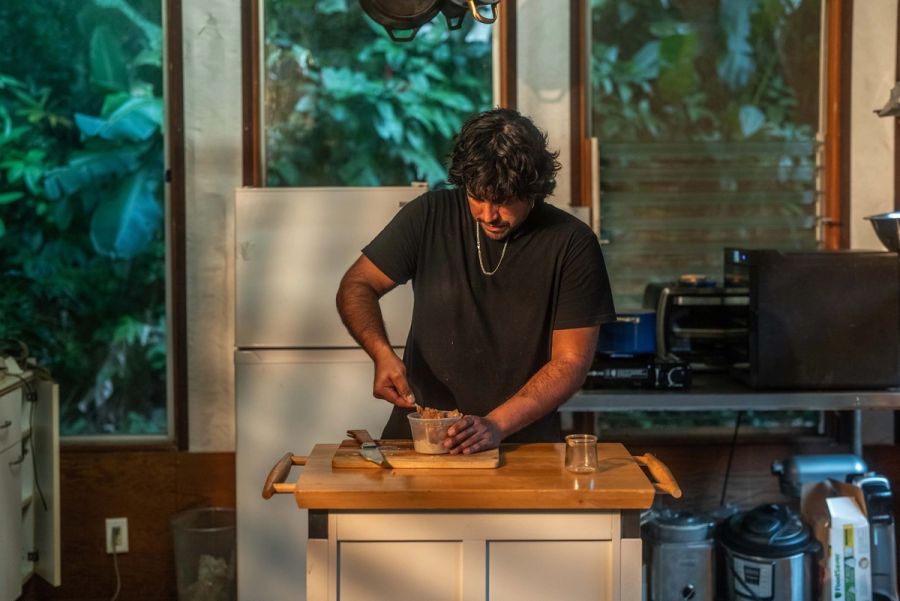
Explore Chef Yuda Abitbol’s foraging and cooking project →
For your own process story, identify the steps that must be captured and whether someone can film them while doing the work. The published project establishes the subject and format; it does not prescribe a camera package or crew size for another production.
Count the work after recording
Include preparation, organizing footage, editing, reviewing, adding accurate captions where needed, and preparing the final versions. Decide who will do those tasks and when. A phone recording still needs a path to a finished piece.
You may need help with only part of that path. Your team might capture routine updates while a production partner handles a larger story. Or you might film an explanation yourself and ask for editing support, if the editor agrees the material is suitable. Discuss the handoff before recording a large collection of clips.
When a moment is difficult to repeat, consider the consequences of missing it. A professional can help plan coverage and manage production demands, but the scope still needs to be explicit. Ask what the team will handle, what it needs from you, and what deliverables are included.
Use this decision checklist
Answer these questions before choosing how to make the video. A clear answer can keep a small assignment small or reveal where support would help.
- Message: can one person communicate the idea clearly, or does it require a sequence of scenes?
- Capture: can we record understandable sound and the details the audience needs to see?
- Coordination: who manages participants, locations, permissions, and activity while filming happens?
- Repeatability: can we record another take, or is this a moment we have only one opportunity to cover?
- Finishing: who will organize, edit, review, and deliver the agreed versions?
- Capacity: can our team complete that work alongside its regular responsibilities?
Choose the smallest approach that meets the brief
As a hypothetical example, a founder answering one common customer question could start with a short phone recording. A launch film involving several team members, customer scenes, and multiple finished formats deserves a more detailed production conversation. The distinction comes from the assignment and available capacity, not a rule about which device looks professional.
Make one useful test today. If it reveals a production need your team cannot cover, bring the example and the brief to Repeak. We can discuss the level of filming and editing support that fits the work.